





1. What is an HRV system?
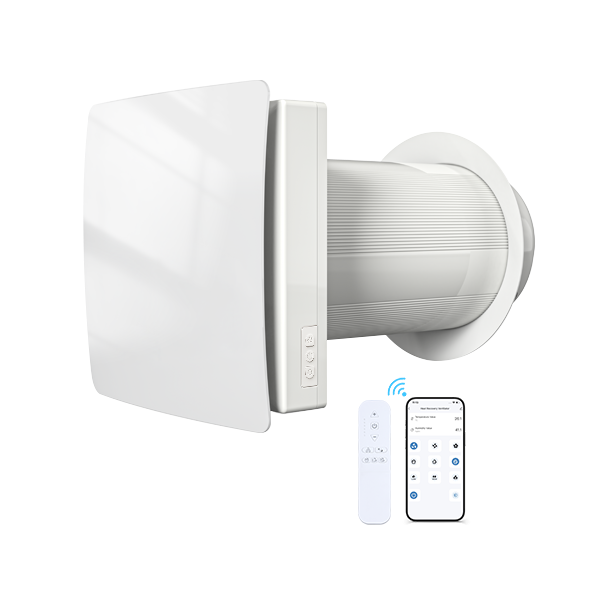
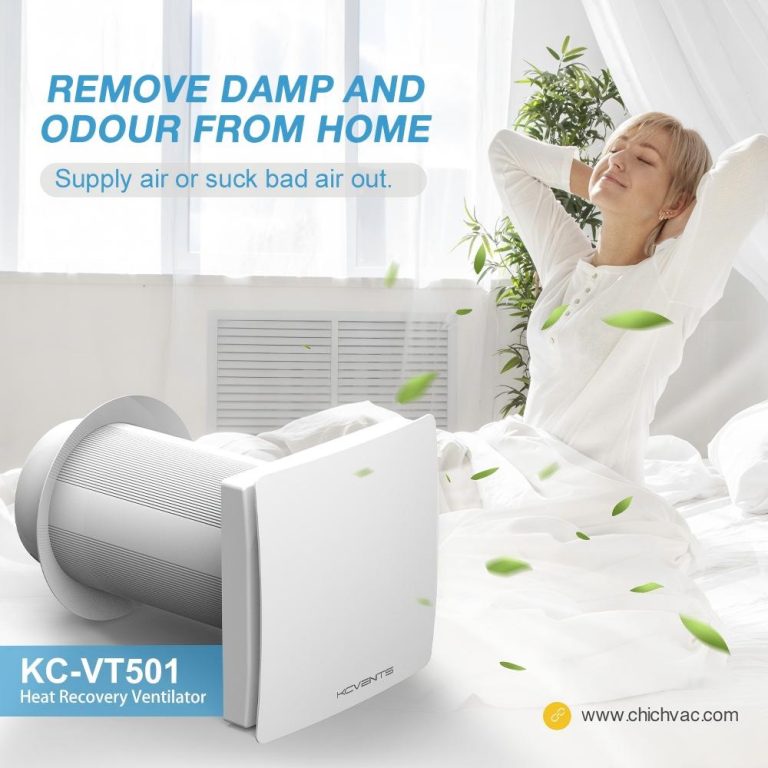
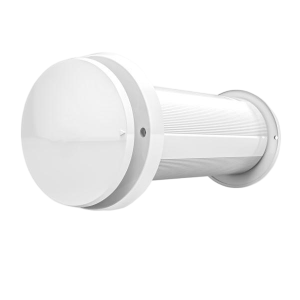
An HRV, or Heat Recovery Ventilator, is an energy‑efficient ventilation system that continuously exchanges indoor air with fresh outdoor air while recovering heat from the outgoing air. It keeps your home comfortable year‑round by maintaining balanced temperatures, reducing energy loss, and improving indoor air quality.
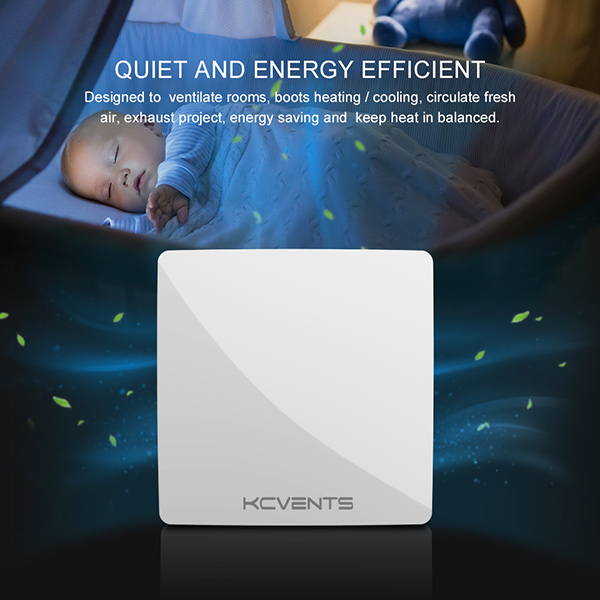
2. How does an HRV system work?
An HRV system draws out stale, humid air from rooms such as kitchens, bathrooms, and laundry areas while simultaneously bringing in fresh outdoor air. Inside the unit, both air streams pass through a heat exchanger, which transfers warmth from the outgoing air to the incoming air.
This process minimizes heating or cooling demand, keeping indoor conditions comfortable without wasting energy.
3. Can an HRV cool my home?
Not exactly. An HRV is not an air conditioner — it doesn’t directly cool the air. However, by improving ventilation and preventing a buildup of hot, stale air, it helps maintain a more comfortable temperature throughout your home. For a dedicated cooling effect, an air conditioner or complementary cooling system would still be necessary.
4. Why is an HRV important for indoor air quality?
HRV systems are essential for maintaining healthy indoor air quality. They provide constant fresh‑air exchange, replacing pollutants, moisture, and odors with clean outdoor air. Without proper ventilation, contaminants such as dust, mold spores, and allergens can accumulate, affecting overall health and comfort.
5. Can an HRV system be used in any type of building?
Yes. HRV systems can be installed in residences, offices, and commercial buildings. Models are available in various capacities, allowing homeowners and businesses to choose the right system for their layout and square footage.
A professional assessment is recommended to ensure proper sizing and installation.

6. Does an HRV system help with humidity control?
Yes. HRVs assist in balancing indoor humidity by continuously exchanging moist indoor air with drier outdoor air. This helps prevent condensation, mold growth, and discomfort caused by high humidity levels — especially in kitchens and bathrooms.
7. How energy‑efficient is an HRV system?
HRVs are built for energy efficiency. They can recover up to 70–90% of the heat from exhausted air, transferring it to the fresh incoming air. This means your heating or cooling system does less work, leading to noticeable energy savings and lower utility bills.
8. How often should I maintain or clean my HRV system?
Regular maintenance ensures reliable operation and long lifespan.
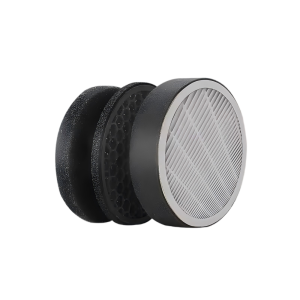
- Clean or replace filters every 3–6 months depending on use and local air quality.
- Have the heat exchanger and ductwork professionally inspected once a year.
Keeping the system clean maintains airflow efficiency and indoor air quality.
9. Are there any downsides to installing an HRV system?
The main considerations are the upfront cost and the need for professional installation. HRVs work best in airtight buildings; homes with drafts or leaks may require sealing improvements first. Efficiency may decrease during extreme heat or humidity, though this depends on the model and local climate.
10. Can I install an HRV system myself?
Professional installation is strongly recommended. Proper system sizing, duct routing, and vent placement are crucial for efficiency and safety. A certified HVAC installer can ensure your HRV runs at optimal performance and complies with building codes.

11. How do I know if an HRV is right for my home?
HRVs are especially beneficial in cold or well‑insulated climates, where stale air and humidity tend to build up. If you experience poor ventilation, condensation on windows, or lingering odors, an HRV can greatly improve air freshness and comfort.
A ventilation specialist can assess your space and recommend the best model for your needs.
12. How does an HRV compare to an ERV (Energy Recovery Ventilator)?
Both systems recover energy while exchanging indoor and outdoor air. The difference lies in how they manage moisture:
- HRV (Heat Recovery Ventilator): Transfers heat only, ideal for cooler or dry climates.
- ERV (Energy Recovery Ventilator): Transfers both heat and moisture, making it a better choice for warm or humid climates.
💬 Want to Learn More?
If you’d like personalized advice on choosing the right HRV for your home or project, contact our ventilation experts today — we’ll help you find the best solution for fresh, efficient air year‑round.